The Power of Respect in Communication Despite Disagreements

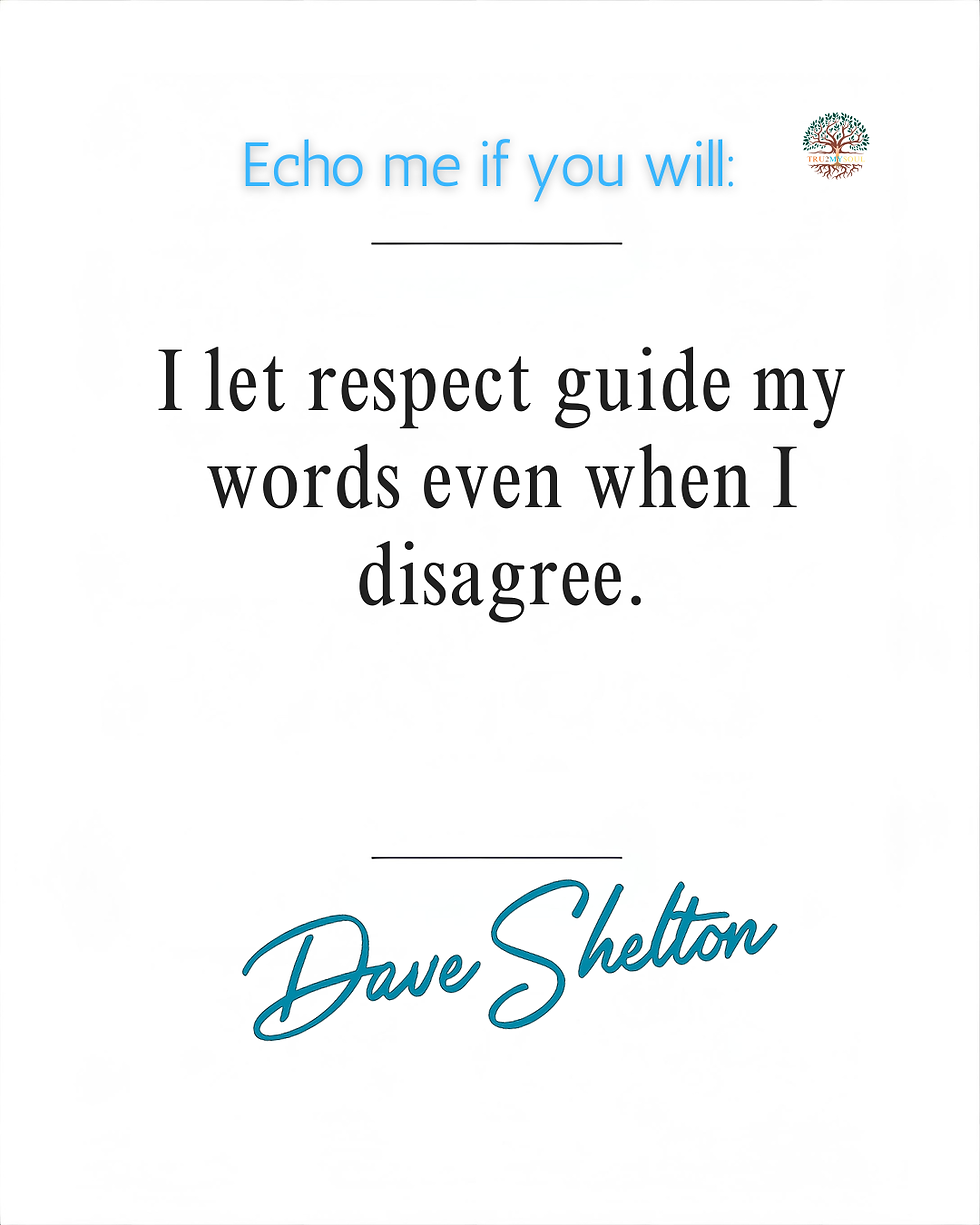
Respectful communication during disagreement is a skill that can transform conflicts into opportunities for growth and understanding. When emotions run high, especially in situations involving trauma, emotional safety, or boundary setting, maintaining respect becomes even more crucial. This post explores how respect shapes conversations where opinions clash, offering practical insights and examples to help navigate these challenging moments.

Why Respect Matters When We Disagree
Disagreements often trigger defensive reactions, making it easy to forget the value of respect. Yet, respectful communication during disagreement helps:
Keep the conversation safe: It prevents escalation and emotional harm.
Build trust: Even when views differ, respect shows you value the other person’s perspective.
Encourage openness: People are more willing to share honestly when they feel heard without judgment.
For example, in a family setting where past trauma influences reactions, a respectful tone can prevent reopening wounds and instead foster healing. Respect does not mean agreeing; it means acknowledging the other’s right to their feelings and opinions.
Personal Story: Learning Respect Through Conflict
A friend once shared how a heated argument with a close family member left both feeling unheard and hurt. They realized the problem wasn’t the disagreement itself but how they communicated. By focusing on respectful communication during disagreement, they began to:
Use “I” statements instead of blaming language.
Listen actively without interrupting.
Take breaks when emotions became overwhelming.
Over time, this approach helped them rebuild their relationship. The key was respecting boundaries and emotions even when they disagreed deeply. This story shows that respect can be a bridge, not a barrier.
Practical Tips for Respectful Communication During Disagreement
Here are some actionable steps to practice respect when opinions clash:
Acknowledge emotions
Recognize feelings without dismissing them. Saying, “I see this is important to you,” validates the other person’s experience.
Stay calm and steady
Keep your tone even and avoid raising your voice. This helps maintain emotional safety.
Ask questions
Clarify rather than assume. Questions like, “Can you tell me more about why you feel this way?” show genuine interest.
Set clear boundaries
If the conversation becomes too intense, agree to pause and revisit later. Respect includes knowing when to step back.
Avoid personal attacks
Focus on the issue, not the person. This keeps the discussion constructive.
Reflect and summarize
Repeat what you heard to ensure understanding. This reduces miscommunication.
These steps create a space where respectful communication during disagreement can thrive, even in emotionally charged situations.

Respect as a Tool for Emotional Regulation and Maturity
Respectful communication during disagreement is closely tied to emotional regulation and maturity. When people manage their emotions well, they can engage more thoughtfully. This is especially important for those who have experienced trauma or emotionally unsafe environments, where triggers may be present.
Respect helps by:
Creating predictability: Knowing that conversations will be handled respectfully reduces anxiety.
Encouraging self-awareness: Respect invites reflection on one’s own reactions.
Supporting boundaries: It honors limits without judgment.
For instance, in therapy or support groups, facilitators emphasize respect to help participants feel safe enough to express difficult feelings. This safety is essential for healing and growth.
The Long-Term Benefits of Respectful Communication
Practicing respect during disagreements builds stronger relationships over time. It leads to:
Deeper understanding
You learn more about others’ values and experiences.
Reduced conflict intensity
Respect lowers the chance of arguments turning hostile.
Greater collaboration
People are more willing to find common ground.
Improved self-esteem
Feeling respected boosts confidence and emotional health.
By choosing respect, you invest in healthier connections and personal growth.


Comments